AI Just Made Podcasts Searchable
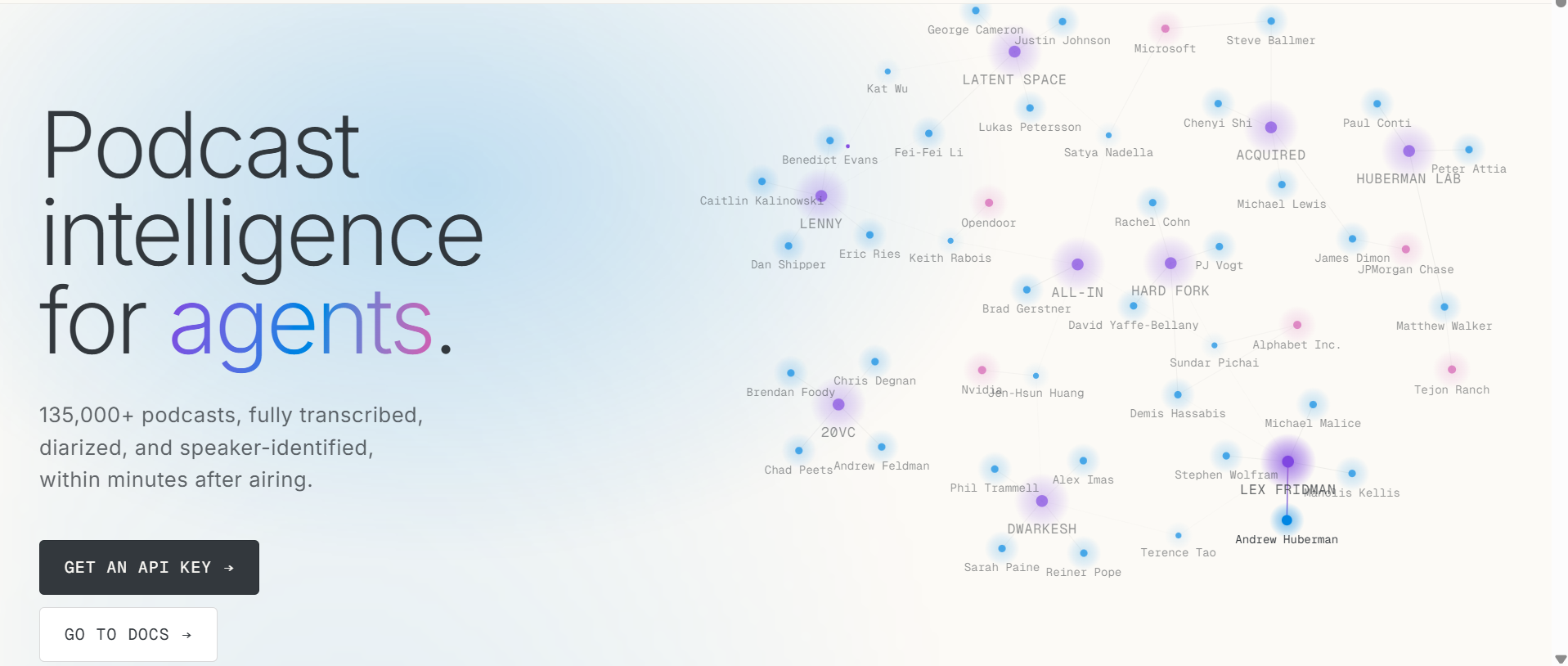
Podcasting has spent years building one of the world's largest archives of human conversation, but much of that knowledge has remained difficult to find. Search engines can identify a podcast, episode title or description, but they have generally struggled to understand what was actually said inside hours of audio.
Radar, launched this week by Particle, is trying to change that. The company has built a search engine that transcribes more than 130,000 podcasts, adds speaker labels and metadata, and allows users to search for people, companies, brands, products, topics and specific phrases inside episodes. Particle says it adds around 20,000 new episodes every day, with new episodes typically becoming searchable within minutes.
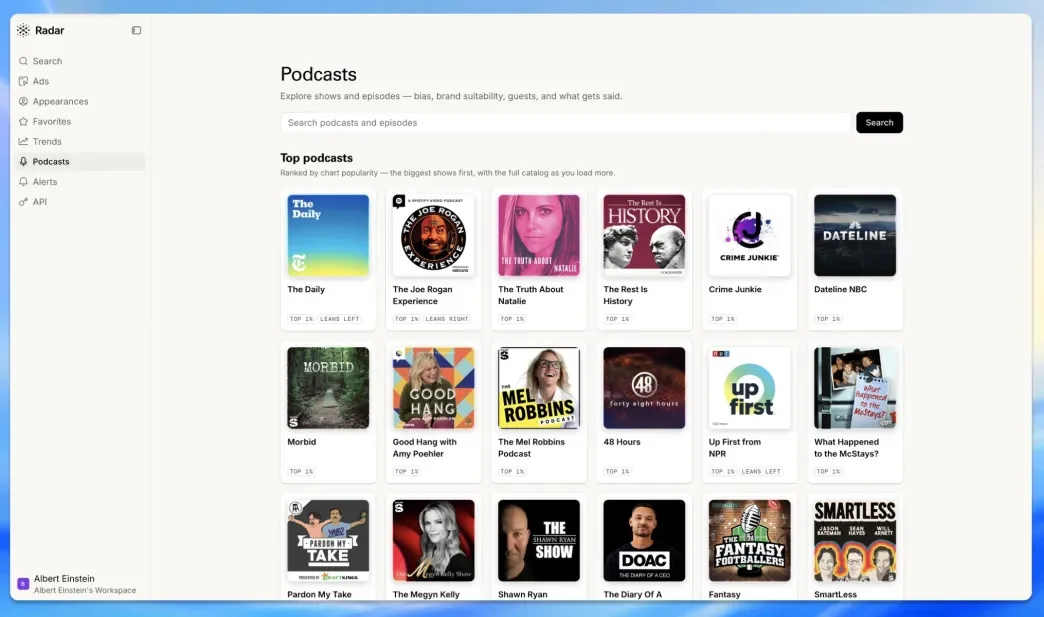
That may sound like another podcast discovery tool, but it points to something much bigger.
The archive is becoming searchable
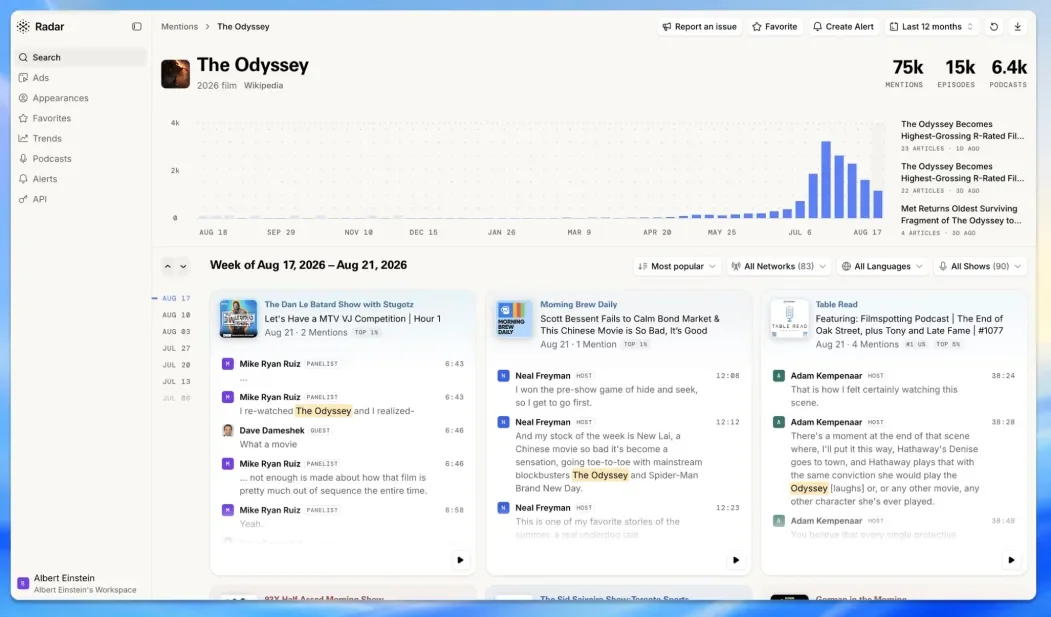
For listeners, the difference is straightforward. Instead of searching for a podcast and then working out which episode might contain the information they want, they can search for the information itself and go directly to the moment where it was discussed.
That changes the value of the podcast archive. Radar can identify when a particular person, company or topic is mentioned across thousands of shows, while its alerts can notify users when a tracked subject appears in a new episode. The system can also surface trends by showing how frequently topics are being discussed across podcasts.
For journalists and researchers, that could make podcasts considerably more useful as a source of information. A journalist investigating a company, for example, could search hundreds of conversations rather than manually listening to individual episodes, while researchers could trace how an idea develops across different shows.
AI agents can now see inside the conversation
The bigger opportunity may be what happens when this information is accessed by machines rather than people.
Particle makes Radar's podcast intelligence available through an API and MCP, allowing AI agents and other software to search and use the underlying data. The company says this addresses a basic weakness in current AI systems: agents can crawl the web because most web information is text, but audio is harder for them to access without transcription.
That could eventually change podcast discovery. Instead of asking, “Which podcast should I listen to about this subject?”, an AI assistant could potentially find the relevant conversation, identify useful moments and point a user directly to the episode.
The podcast would remain the original source, but the way people reach it could change.
And then there is the business
Radar is also making podcasts more useful as commercial intelligence. Particle says the platform can identify sponsorships and track where brands appear across podcasts, while its business tools include advertising, brand-safety and publisher data.
That creates possibilities for advertisers that go beyond downloads or views: they can potentially understand where brands are being discussed, who is talking about them and how frequently those conversations appear.
But making podcasts searchable also raises questions about rights and control. Podcast episodes contain copyrighted material and personal information, and turning those conversations into searchable data does not by itself settle questions about how transcripts can be used, who controls the underlying material or how creators should benefit when their work becomes data for other businesses.
Those questions will become more important as AI companies look beyond the web for information to feed their systems.
The archive is becoming infrastructure
The significance of Radar is not really that it makes finding a podcast easier. It changes what the podcast archive can be used for.
For years, podcast value was largely measured through audiences: downloads, streams, views, subscribers and advertising. A searchable archive introduces another dimension, where the value of a show can also lie in the knowledge contained inside its conversations.
That could create new opportunities for discovery, journalism, research and advertising, while forcing the industry to confront questions about ownership and monetisation.
The important shift is already happening: podcasts are becoming something machines can search, analyse and use, not just something people listen to.