Camera Shots Every Creator Should Know
A camera can capture the same person in completely different ways depending on where you place it and how much of the scene you choose to show. The difference between a wide shot and a close-up is not just how much of the frame is filled. It changes what the audience notices, how close they feel to the subject and, ultimately, how the story comes across.
For creators, understanding camera shots is useful because you don't always need better equipment to make your videos feel more intentional. Sometimes, changing the framing is enough.
The Wide Shot
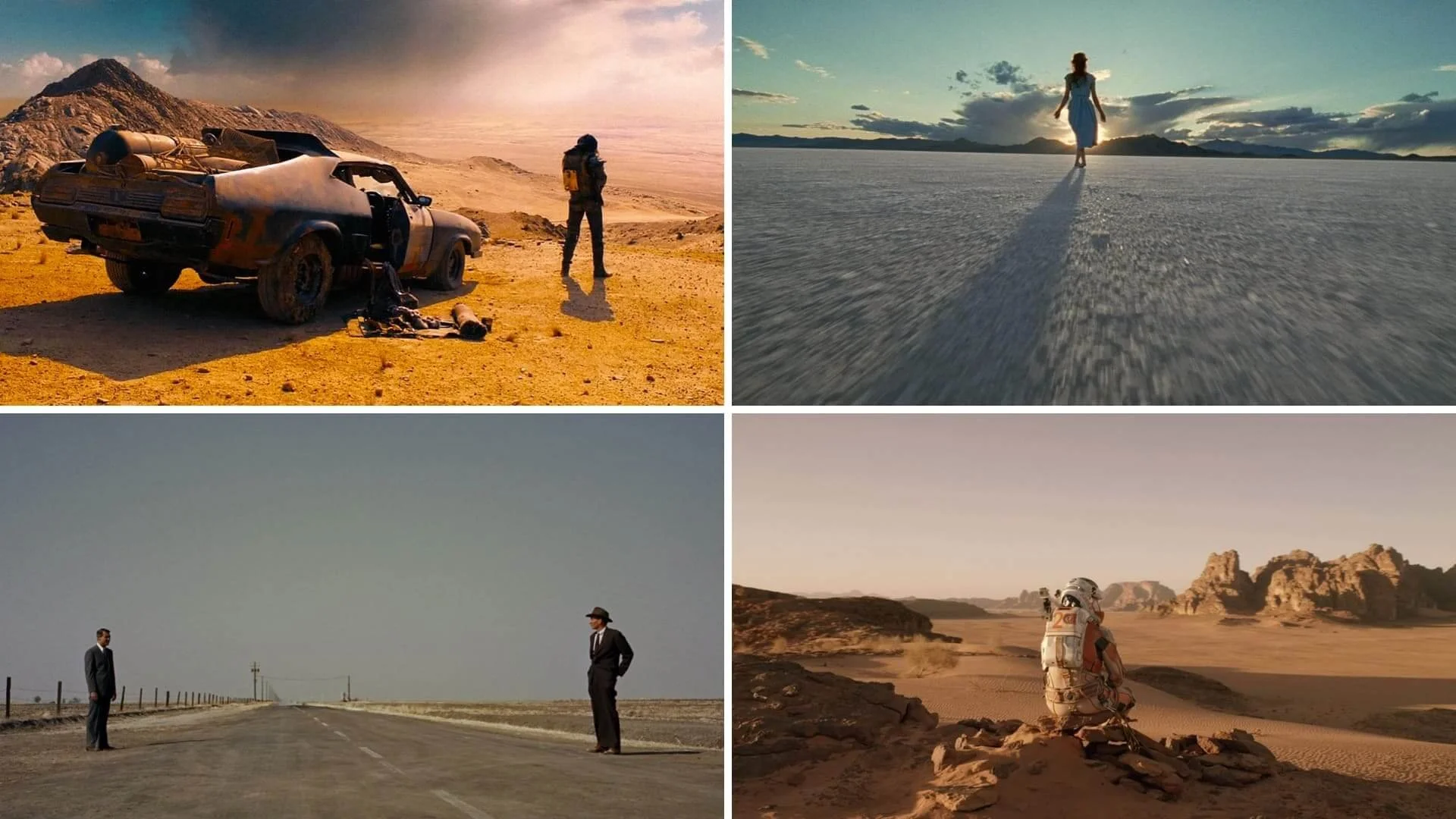
Start with the wide shot; it gives the audience a sense of the environment and shows how the subject fits within it. You might use it to introduce a location, show someone moving through a space or establish where a conversation is taking place. In a creator video, it could be as simple as showing the full room before moving into a closer shot of the person speaking.
The Medium Shot
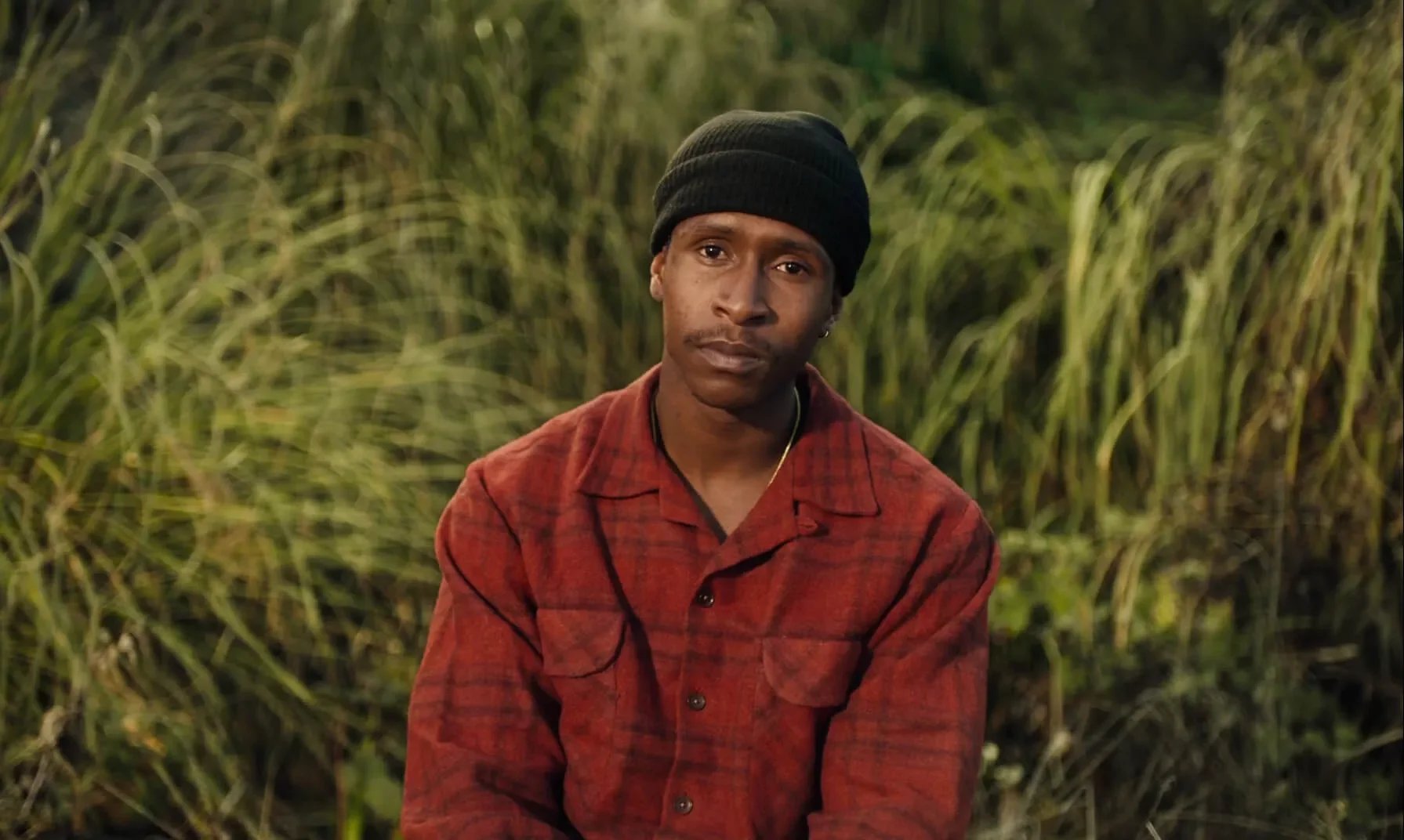
The medium shot brings the subject closer while still leaving some of the surroundings visible. It is one of the most common shots in interviews, talking-head videos and conversations because it gives you enough room to see the person without losing the context around them. If you are filming yourself, this is often where you will spend most of your time.
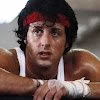
As the framing gets tighter, the audience's attention becomes more focused. A medium close-up usually brings the frame from around the chest or shoulders upwards, putting more emphasis on the person's face while still keeping some of the environment visible. It works particularly well for interviews and direct-to-camera content when you want the speaker to feel more present.
Close-Up Shot.
This is where expression becomes much more important. By filling more of the frame with someone's face, you remove much of the surrounding information and make it harder for the viewer to look anywhere else. A close-up can make a reaction feel more significant, which is why it is often used when a character reveals something, reacts to something or delivers an important line.
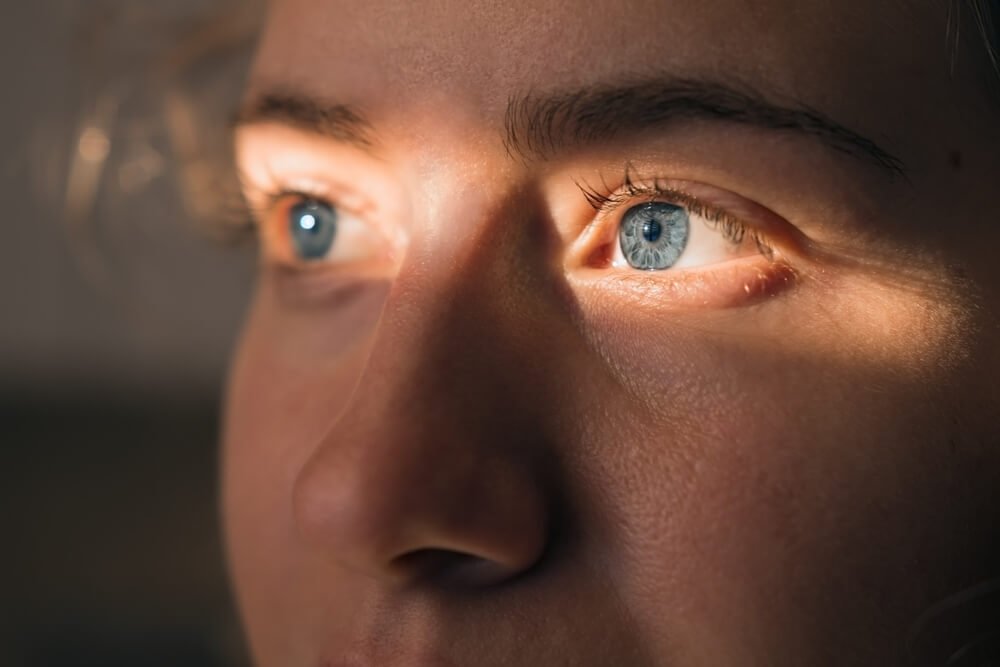
An extreme close-up
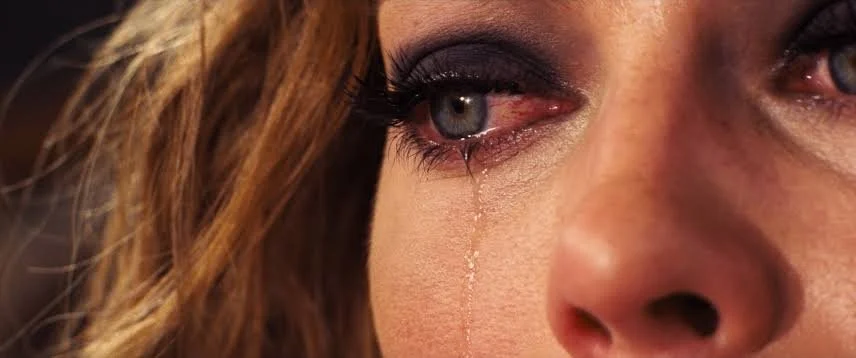
This shot takes that even further, focusing on a very specific part of the subject. It could be someone's eyes, hands, a product detail or another small part of the scene. You probably don't need it for every piece of content, but it can be useful when you want to create emphasis or give the viewer information that would be easy to miss in a wider frame.
Over-the-shoulder shot
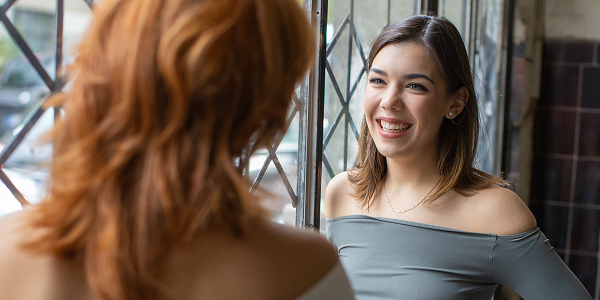
There is another shot creators should know because it changes the viewer's perspective: the over-the-shoulder shot. As the name suggests, the camera sits behind one person's shoulder while framing another person or the object they are looking at. It is common in interviews, conversations and narrative filmmaking because it makes the audience feel like they are part of the interaction rather than simply watching from the outside.
These shots can also be combined with different camera angles. A low-angle shot places the camera below the subject, while a high-angle shot looks down from above. An eye-level shot keeps the camera roughly level with the subject's eyes. These are different from shot sizes, but combining the two gives creators more control over how a person or scene feels.
The important thing is not to use every shot simply because you know its name. A wide shot can establish the world around your subject. A medium shot can carry a conversation. A close-up can make an emotion or reaction feel more important, while an over-the-shoulder shot can make an interaction more immediate.
Even with one camera, you can create more visual variety by thinking about these choices before you start recording. You can film the main conversation at a medium shot, move closer for important moments or capture a few wider and detail shots to give yourself more options when editing.
That is really what understanding camera shots gives you: control.
You don't necessarily need another camera, a bigger lens kit or a more expensive setup. You need to know what you want the audience to see and choose a frame that helps you show it.
Good camera work is not always about making the shot look impressive. Sometimes, it is simply about putting the camera in the right place at the right moment.