WME Is Building a Team to Help Creators Become Bigger Businesses
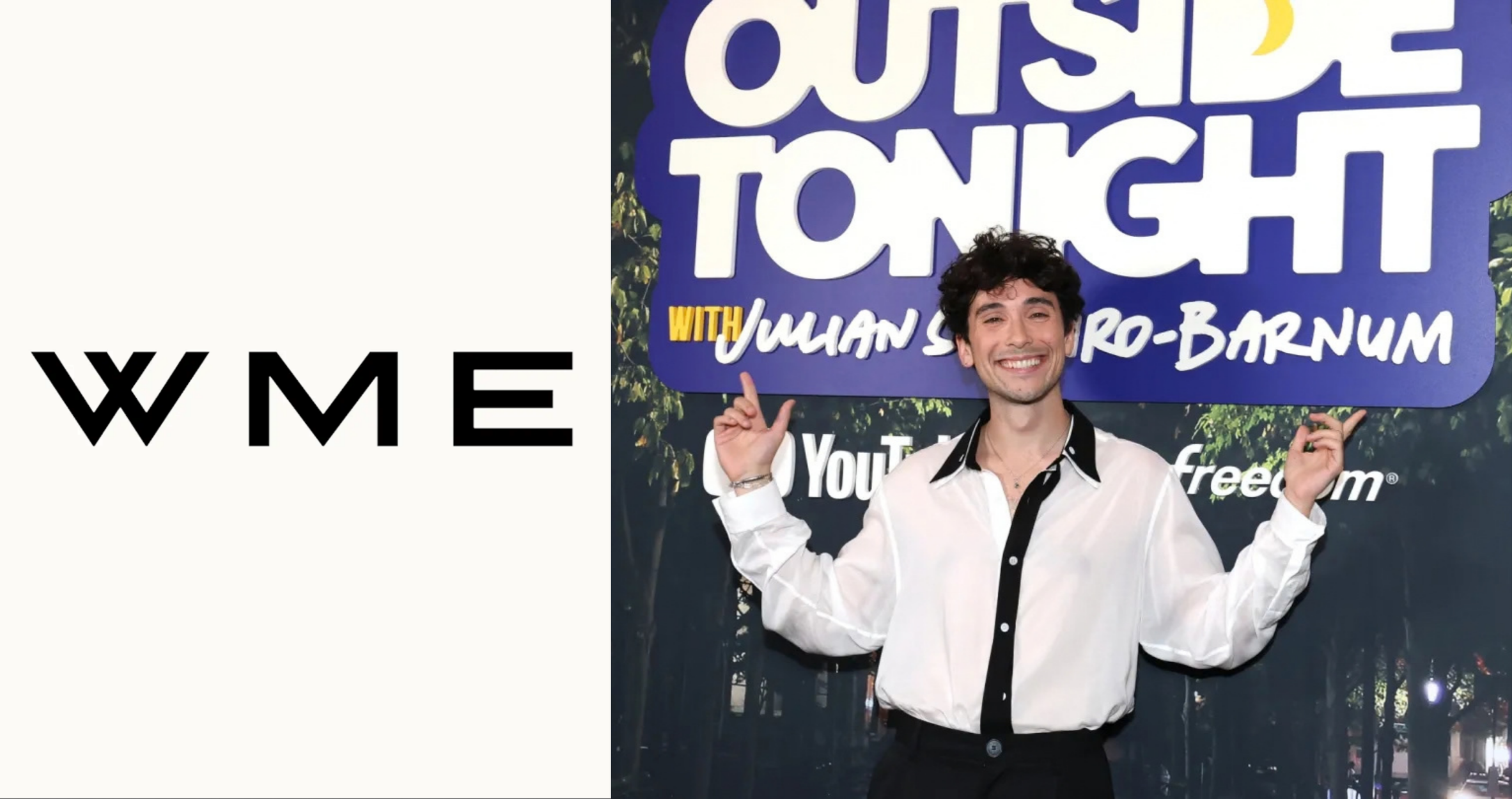
As creators take more control over their content and distribution, William Morris Endeavor (WME) is building a new service around the businesses growing from those audiences.
According to The Hollywood Reporter, the agency has launched a new in-house team designed to help its creator clients grow their media businesses on YouTube and other platforms. The team can get involved while an idea is still being developed and then support clients with the work required to turn that idea into an active media business.
Why WME Is Building Creator Labs
The idea behind Creator Labs comes from a simple change in the creator business: more talent now owns its own distribution.
Ben Davis, co-head of WME’s digital group, said the agency has spent the past few years testing and developing these services as it considers how the role of an agent changes when clients control where and how their content reaches an audience.
Jad Dayeh, the other co-head of the digital group, pointed to YouTube as an important part of that change because the platform has put many of the functions that once belonged to networks and distribution companies directly into the hands of creators.
That creates a different opportunity for an agency. Instead of only helping a creator find the next deal, WME can help build the operation that allows the creator to keep producing, publishing and growing without having to establish an entire media company from scratch.
Creator Labs can get involved from the ideation stage and then move into areas such as posting, scheduling, distribution and channel management as the project develops. The idea is to give clients access to that infrastructure while allowing them to remain focused on the creative work.
That matters particularly on YouTube, where we have previously explored why the platform has become the biggest podcast platform and what that means for creators trying to grow beyond their existing audience.
WME Is Already Testing The Model
WME has already begun using the approach with several high-profile clients, which gives some indication of the type of creator businesses it wants to support.
Erling Haaland worked with the team to secure sponsorships for his YouTube channel, while Julian Shapiro-Barnum, the creator behind Recess Therapy and Celebrity Substitute, worked with WME on sponsorships for the launch of his YouTube late-night show.
Joy Reid has also worked with WME on her YouTube channel, with the agency supporting areas including content strategy, publishing, editing, channel operations, livestreams, community management and monetization.
WME has also made a strategic investment in Astra Media, a video strategy and operations company that has worked on projects involving clients such as Khloé Kardashian and Kevin Hart. Astra brings another 50 full-time employees and contractors into the wider operation, while WME says it plans to expand the group.
That combination gives WME more capacity to work on the business side of digital content, particularly as established talent increasingly treats YouTube and other platforms as destinations for original programming rather than simply places to promote existing work.
What Can Creators Take From This?
Most creators are not going to need an 11-person team anytime soon, but there is a useful lesson in the way WME is approaching the problem.
In the early stages of a podcast or YouTube channel, the creator can usually handle almost everything. You record, edit, publish, cut clips, manage the channel and speak to your audience because there simply isn't enough revenue or complexity to justify bringing someone else in.
As the audience grows, however, those responsibilities begin competing with the work that actually makes the content valuable. You may have more sponsorship opportunities to manage, more content to publish and more audience data to understand, while the expectations around consistency continue to rise.
That is where the business behind the content starts to matter.
A creator does not necessarily need to hire a full-time team when that happens. A freelancer might take over editing, someone else could manage publishing or a sales partner could handle sponsorships, and the right mix will depend on how much revenue the show generates and where the creator needs help.
We have previously broken down how to land your first podcast sponsor, and that is part of the same progression: once an audience exists, creators have to start thinking about how the work around that audience gets managed.
The important part is recognising that audience growth eventually creates operational work, and trying to keep every responsibility with the creator can make it harder to keep the content growing.