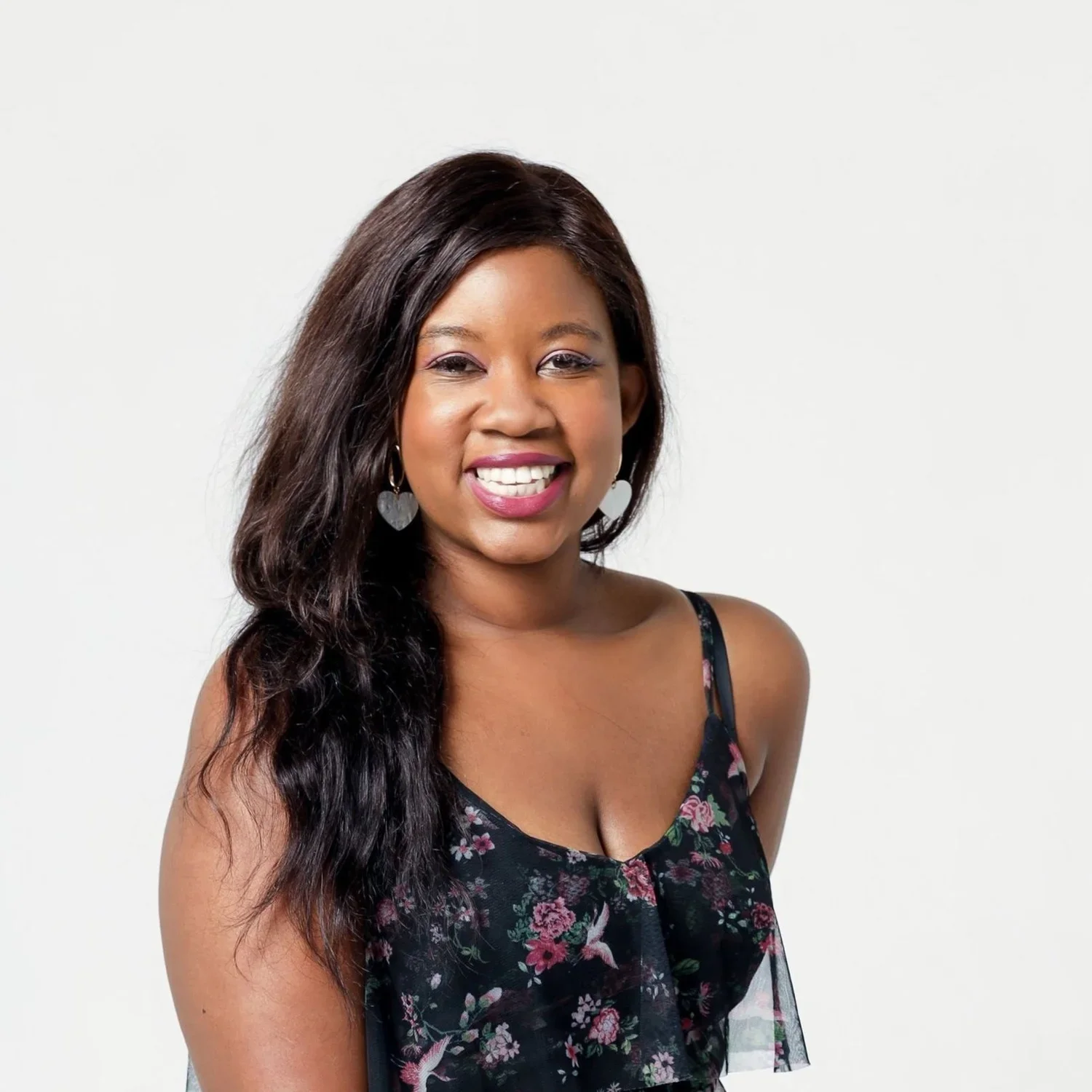
How Melani Sanders Turned a Viral Movement Into a Podcast Deal
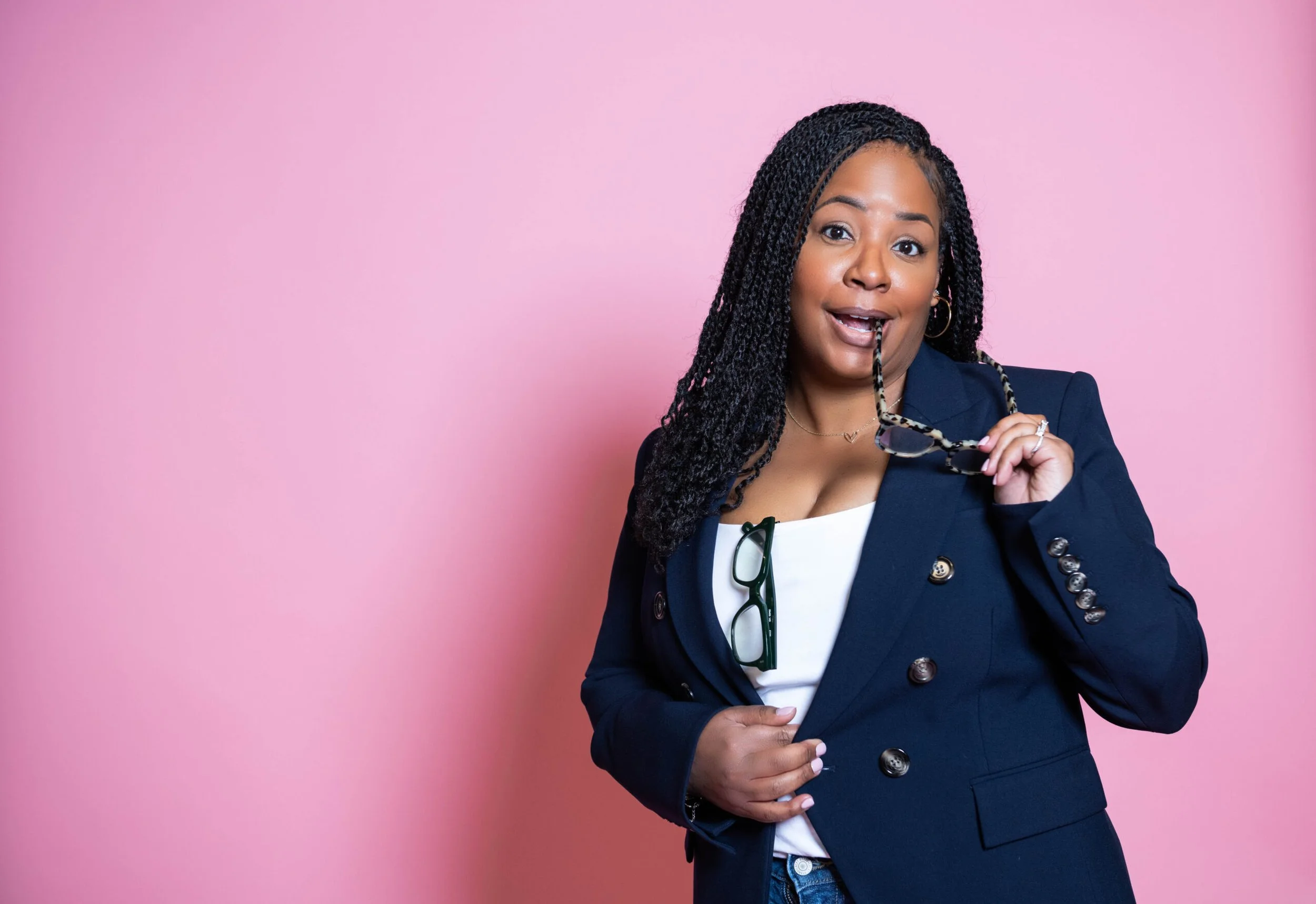
What began as a candid declaration about the exhausting expectations placed on women has become a global movement with millions of followers, a bestselling book and now a podcast deal. At the centre of it all is Melani Sanders, the American creator behind the We Do Not Care Club, a community encouraging women navigating midlife to stop apologising for themselves and start prioritising their own needs.
The movement began in May 2025, when Sanders recorded a video from her car in a Whole Foods parking lot. Frustrated by the physical and emotional demands of perimenopause, she announced a club for women who were tired of worrying about everything from wearing bras to meeting other people's expectations. The humour resonated, and the video quickly went viral.
The We Do Not Care Club has since become a community built around humour, sisterhood and honest conversations about menopause, relationships, motherhood and ageing. Sanders has also expanded the movement into publishing with The Official We Do Not Care Club Handbook.
Now, she's taking that audience into podcasting.
On October 14, Audacy announced a partnership with Sanders and Best Case Studios to launch The We Do Not Care Club Podcast, which premiered on October 21. The agreement combines an established creator brand with professional production, distribution and advertising sales.
For the creator economy, the significance lies in how Sanders built the audience before securing the media deal.
What They Paid
The financial terms of the agreement have not been disclosed, but the commercial structure is clear.
Sanders and Best Case Studios are producing the 13-episode series, while Audacy is responsible for advertising sales and distribution. New episodes are scheduled for Wednesdays through January 20, 2027, with video available on YouTube and audio distributed across major podcast platforms.
The podcast also launched with two presenting sponsors: retailer Burlington and women's healthcare company Midi Health.
Neither the sponsorship values nor the revenue-sharing and intellectual-property arrangements have been made public. Still, securing commercial partners at launch gives Sanders a different starting point from creators who must first establish an audience for a new show.
What They Got
For Audacy, Sanders offers something increasingly valuable in podcasting: a recognisable brand with an established community.
According to the company, Sanders has amassed more than 7.6 million followers across social platforms. She was also named PEOPLE's 2025 Creator of the Year and is a New York Times bestselling author.
More importantly, the We Do Not Care Club has a clearly defined identity and audience. Its conversations address subjects that women in midlife often feel are overlooked, creating opportunities for advertisers interested in reaching that demographic.
The podcast extends those conversations through interviews with health experts and personalities including beauty entrepreneur Bobbi Brown, financial educator Tiffany Aliche, author Gretchen Rubin and television personality Ricki Lake.
For Audacy, the partnership expands its women's health and lifestyle programming while adding a creator with an existing following. Sanders, meanwhile, gains access to production and commercial infrastructure that can help develop her brand beyond short-form social media.
Why It Matters
The most interesting aspect of Sanders' deal is the order in which her business developed.
Many podcasters launch a show, build an audience and eventually pursue sponsorships or distribution agreements. Sanders followed a different path, developing a community around a shared experience before expanding into books and podcasting.
That distinction matters because media companies are increasingly interested in creators who bring more than content ideas. A recognisable identity, an engaged community and a clear understanding of an audience can make a new media venture commercially attractive before its first episode airs.
Of course, millions of social media followers don't automatically translate into podcast listeners. The show's ability to retain audiences and deliver value for advertisers remains to be seen.
But Sanders' partnership demonstrates how a relatable idea can evolve into a broader media opportunity.
The podcast didn't create the community. The community created the opportunity for the podcast.