What Netflix's Big Shake-Up Means for Creators
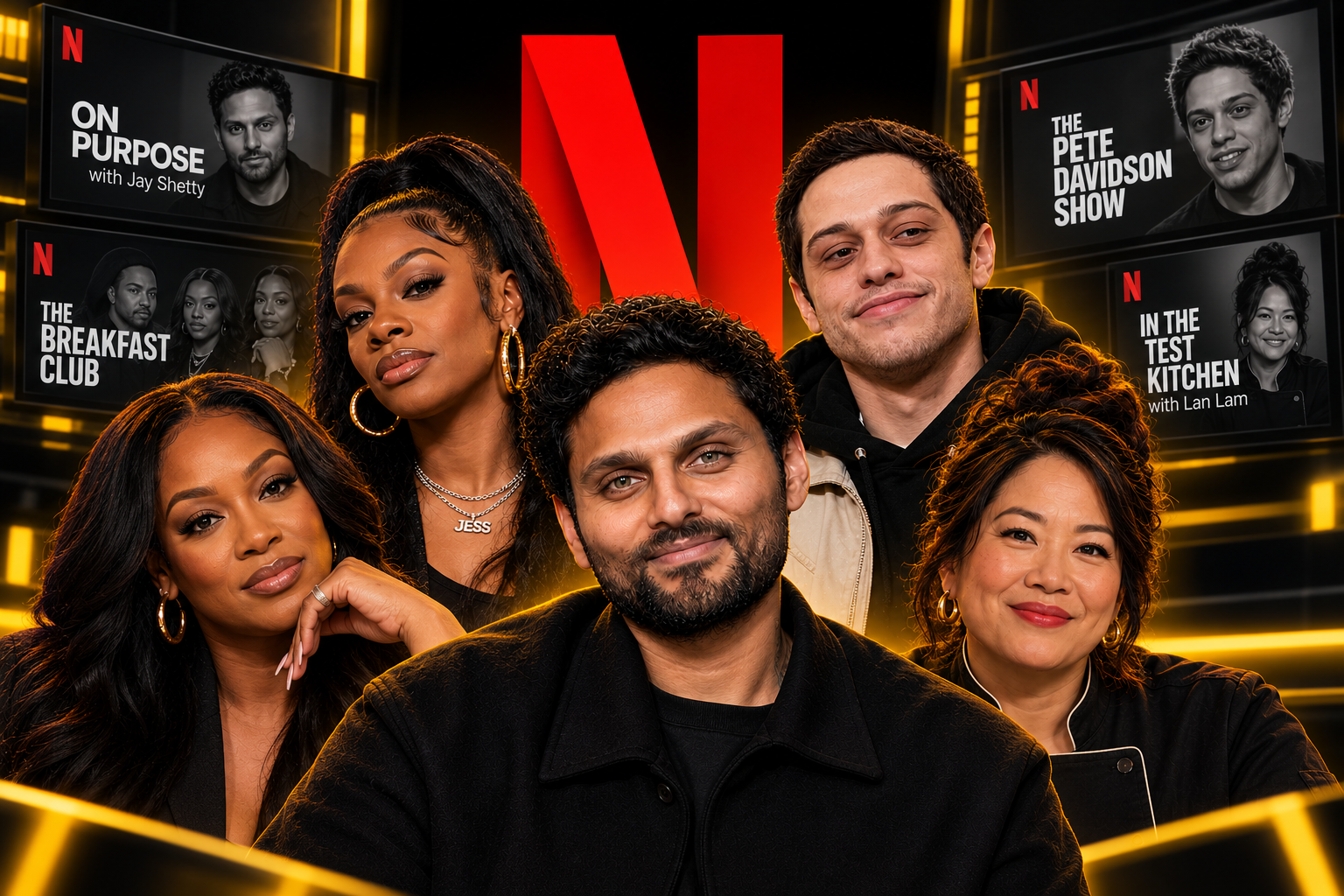
Netflix is cutting jobs. It's changing its creative leadership. And it's making room for podcasts. At first glance, those developments might seem contradictory. Why would a company reducing its workforce simultaneously expand into new forms of entertainment?
But Netflix's decisions in 2026 reveal a bigger story about the increasingly competitive business of keeping audiences entertained.
On 14 October, Netflix announced plans to cut approximately 1,000 positions, representing around 6% of its workforce. According to Reuters, most affected roles were in product, technology, legal and human resources.
The restructuring comes as Netflix faces growing competition for viewers' attention, particularly from YouTube and other digital platforms.
For the creator economy, the more interesting question isn't simply how many people Netflix is letting go. It's what kind of content Netflix believes is worth investing in next.
Netflix's 2026: A Year of Big Moves
January: Video podcasts arrive. Netflix begins introducing shows through partnerships with Spotify and The Ringer, alongside originals including The Pete Davidson Show.
July: Jay Shetty joins the lineup. Video episodes of On Purpose begin appearing on Netflix and Spotify, demonstrating how a podcast can reach audiences across major entertainment platforms.
September: Netflix expands its original podcast slate. The company renews its initial lineup and announces new showsinvolving Katt Williams, Harlan Coben and other personalities.
October: Netflix restructures. Approximately 1,000 jobs are affected, senior programming leadership changes, and the company revises its advertising revenue forecast from approximately $3 billion to $2.7 billion for 2026.
Why Podcasts Are Becoming Part of the Strategy
Netflix isn't abandoning films and television for microphones and interview chairs. But it is expanding the kinds of entertainment available on its platform.
Consider its partnership with Barstool Sports, which brought video versions of Pardon My Take, The Ryen Russillo Podcast and Spittin' Chiclets to Netflix. Or Jay Shetty's On Purpose, whose video episodes are available through both Netflix and Spotify.
These arrangements show why established podcast brands are attractive: they already have recognisable hosts, established formats and audiences who return for new episodes.
For Netflix, that creates another category of regularly released entertainment alongside its films, series and live programming. For creators, it demonstrates that a podcast can become a valuable media property beyond the platform where it originally found an audience. And crucially, distribution deals don't always require creators to surrender every aspect of their business.
The Bigger Business: Attention and Advertising
There's another reason to pay attention to Netflix's podcast expansion: advertising.
In August, Netflix said it had nearly doubled its advertising commitments during its 2026 US upfront negotiations. The company identified video podcasts alongside films, series and live events as part of its broader entertainment offering in its official advertising update.
But the business is under pressure to deliver. Following its October earnings announcement, Netflix reduced its full-year advertising revenue projection from approximately $3 billion to $2.7 billion, according to Reuters.
That matters because podcasts are entering Netflix at a time when the company is scrutinising where it invests and how effectively that investment translates into audience engagement.
There is an important limitation, however: Netflix has not publicly disclosed enough podcast-specific spending or revenue to determine whether these programmes are financially successful.
Its first-half 2026 engagement report also omitted individual podcast viewing figures, as TheWrap reported. The evidence supports a growing strategic commitment to podcasts, not a claim that podcasts are already delivering superior returns.
What This Means for Creators
Three developments are worth watching. First, established audiences are becoming valuable assets. Netflix's partnerships suggest that recognisable hosts, repeatable formats and loyal communities can create opportunities beyond conventional podcast distribution.
Second, video is opening new doors. A podcast that works as a compelling viewing experience may have more potential distribution partners than an audio-only show. That doesn't make video essential for every creator, but it changes the opportunities available.
Third, creators need to understand the business behind the deal. A partnership with a major streaming platform raises questions about licensing, exclusivity, advertising rights, intellectual property and audience access.
And the restructuring offers a reminder that opportunity doesn't eliminate uncertainty. There's no evidence that Netflix's layoffs are financing its podcast expansion, and the two shouldn't be presented as cause and effect.
The Real Takeaway
Netflix's biggest moves of 2026 reflect a company competing for attention in an entertainment landscape where the boundaries between streaming, podcasting and creator-led content are becoming less distinct.
For independent creators, that creates an interesting possibility. The next valuable entertainment franchise might not begin in a television studio. It could start as a podcast, a video series or a personality-led digital brand that builds a dedicated audience.
Netflix's growing interest in podcasts doesn't guarantee a deal for every creator.
But it does suggest that the definition of valuable entertainment is getting broader. And that's a development worth watching.