Inside Black Effect’s Six-Year Rise
Six years ago, the Black Effect Podcast Network launched with a clear ambition: to build a major home for Black voices in podcasting.
This week, the network is celebrating its sixth anniversary, and the scale of what it has built is worth marking.
Founded in September 2020 by Charlamagne Tha God and iHeartMedia, Black Effect launched at a moment when podcasting was rapidly becoming a serious media business. The proposition was straightforward: bring together influential voices across culture, entertainment, politics, sport, comedy, social justice and more, and give them the platform and commercial infrastructure to build lasting audiences.
The early growth was striking. Within its first year, Black Effect had grown 400%, launched 29 shows and generated nearly 147 million downloads, according to Forbes.
Five years later, the network had passed 60 shows and 11 million monthly downloads, according to iHeartMedia. Its catalogue had also expanded into genres including parenting, true crime and literature, alongside established hits such as The Breakfast Club, R&B Money, All The Smoke, Drink Champs and 85 South Show.
That growth has also shaped how Black Effect builds its network.
Black Effect has increasingly moved beyond the traditional podcast-network model of simply commissioning and distributing individual shows. It has built relationships around established properties and personalities, including partnerships with the Drink Champs Podcast Network and the All The Smoke Podcast Network.
That distinction is important because the value of podcasting has increasingly shifted towards the talent and audiences surrounding the shows.
Much of podcasting's staying power comes down to personality. A familiar host can become part of the morning routine. An interview can become a clip on Instagram. A conversation can move from a podcast feed to YouTube and then into the group chat. The audience travels with the personality.
Black Effect has built a business around that behaviour. The Breakfast Club is perhaps its clearest example. Its influence extends across radio, podcasting, YouTube and social media, with its interviews and debates regularly becoming part of the wider cultural conversation.
The network has also demonstrated that its audience can move beyond the screen.
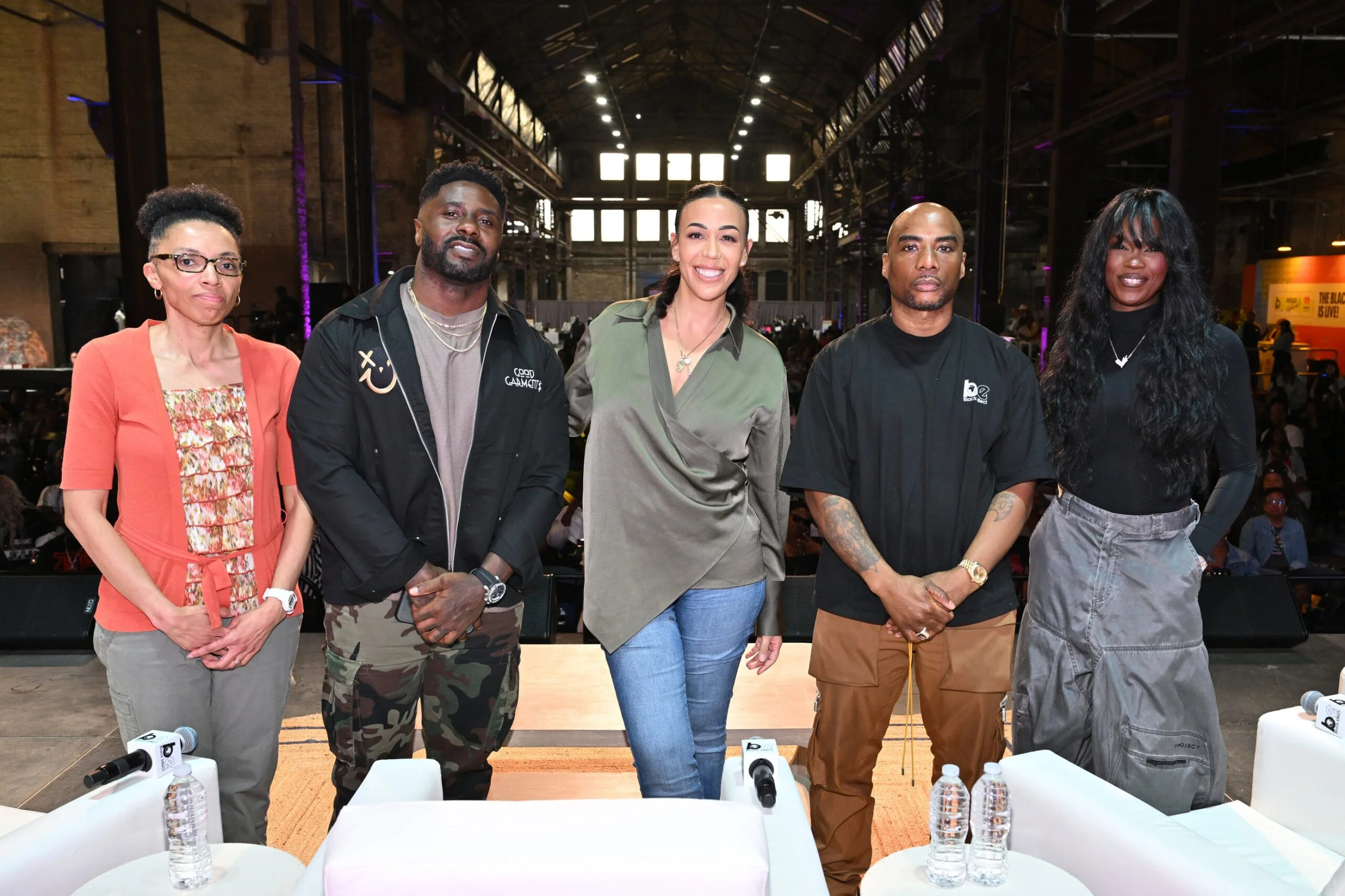
The Black Effect Podcast Festival is now in its fourth year, bringing the network's talent and listeners together in Atlanta. The 2025 festival featured live tapings of shows including Woman Evolve, R&B Money, Good Moms Bad Choices and The Trap Nerds Podcast, alongside panels, a marketplace featuring Black-owned businesses and a “Pitch Your Podcast” programme presented by Nissan.
The 2026 edition continued that expansion, bringing live recordings, panels and creator programming to Pullman Yards, with appearances from talent including CeeLo Green, Sheryl Underwood, Yung Miami, K. Michelle, Tika Sumpter and Claressa Shields. The event also featured the Black Effect Marketplace and opportunities for emerging creators.
The festival gives Black Effect another way to extend the relationship between its shows and their audiences - from the feed into a physical space.
The commercial side has grown alongside it. The network has built partnerships with brands including AT&T and Nissan, while its shows have collected recognition from the NAACP Image Awards, Webby Awards, iHeartPodcast Awards and Signal Awards.
And the network continues to add new formats. In May 2026, it launched Front Page, a daily 10-to-12-minute news podcast hosted by Emmy-nominated journalist Mimi Brown. The show developed from The Breakfast Club's existing “Front Page News” segment, giving the network a dedicated daily news product covering politics, entertainment, sport and culture.
That expansion reflects the ambition Charlamagne has articulated from the beginning. Charlamagne has described his ambition for Black Effect as building the “BET of podcasting,” a comparison that speaks to the scale of the business he wants the network to become.
The interesting question for Black Effect now is less whether podcasting can support a network of this scale. It already has. It is what the next six years look like when the network has this much talent, audience and cultural capital to build from.