Spotify’s Ad-Skipping Test Reveals Problem
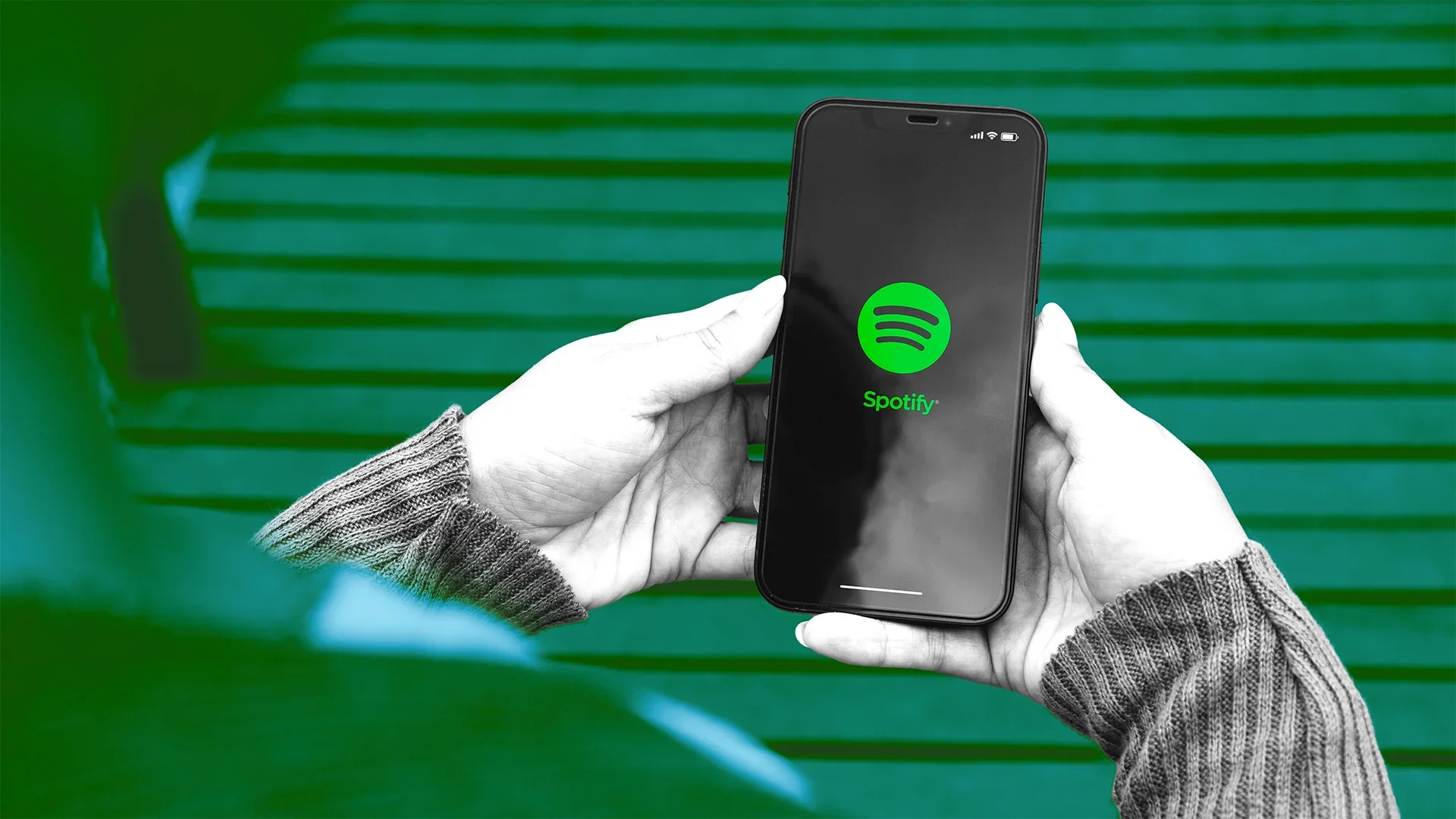
Spotify may be giving Premium subscribers exactly what they want: an easier way to skip podcast ads. For creators, however, its new “Skip Ahead” test is a reminder that the platform delivering their audience can also change the economics of their shows.
Podnews first reported the feature and said the button can appear around ads, sponsorships, intros, outros, and other promotional sections, allowing some Premium users to jump over sections of podcast episodes. Spotify has not announced a permanent rollout and says it regularly tests features before deciding whether to keep them.
Underneath the convenience, this is a story about control.
A better listening experience for whom?
For listeners, the appeal is obvious: instead of repeatedly pressing the 15-second skip button, users can move straight to the next part of an episode.
Spotify says the feature is intended to make podcast listening easier and could encourage people to consume more content by reducing friction around sections they do not want to hear.
Podcast audiences have always skipped advertising manually, and Spotify is simply making the process more efficient. The problem is that podcast advertising cannot always be removed without consequences.
Host-read sponsorships are particularly valuable because the presenter is part of the advertisement. The host can explain why they use a product or make a recommendation in a way that feels more personal than a conventional commercial. For many independent podcasts, those relationships help pay for production.
If listeners can bypass those messages with one tap, the value of that advertising could change. We do not yet know by how much.
The business impact is still an open question
There is no evidence yet that the test is causing a measurable decline in advertising revenue, and Spotify says it does not expect the feature to hurt creator monetisation. Listeners who skip ads could also spend more time with the programme.
So the argument should not be that Spotify is “killing” podcast advertising. The more interesting question is whether creators are becoming too dependent on platforms whose product decisions they cannot influence. A creator can spend years building a show and securing sponsorships, only to discover that a platform change can alter how the audience encounters its commercial content.
The creator owns the content. Spotify controls an important part of the environment in which that content is consumed.
That distinction matters.
Then there is the awkward advertising question
There is also uncertainty over exactly what the feature can skip.
TechRadar reported that creator-embedded sponsorships can be bypassed while advertising sold directly by Spotify is not affected. Podnews, however, reported seeing the feature appear during advertising sold by Spotify, including on The Bill Simmons Podcast.
That discrepancy means we should not conclude Spotify’s intentions. It does, however, reinforce the central issue: the platform has considerable influence over what listeners hear and how commercial content is delivered.
Creators should think beyond Spotify
The lesson goes beyond whether “Skip Ahead” survives the test.
Creators should not assume that an audience they have built on a platform is entirely their audience. If Spotify changes how podcasts are discovered, consumed, advertised or monetised, creators have limited ability to stop that change.
The strongest defence is to build relationships with listeners that exist beyond the platform — through newsletters, memberships, communities, events, direct subscriptions or other channels. That does not mean abandoning Spotify. Platforms remain essential for reaching audiences at scale.
But creators should treat them as distribution partners, not the foundation of their entire business.
Spotify did not invent the desire to skip podcast advertising. Listeners have been doing it manually for years. What the company is changing is how easy it is to do so. That is why this small product test deserves attention.
The real question is not whether listeners should be allowed to skip an advertisement. It is whether creators can build sustainable businesses when the platforms controlling their audiences can change the rules whenever they choose.